👉Getting back into exercise – How to do it safely and sustainably 

As we move into February, this is often when reality kicks in. 

The initial motivation of January can start to fade, routines get harder to stick to, and for many people, aches and fatigue begin to show up. 

If you’ve returned to exercise this year or are still trying to find your rhythm, this is a completely normal stage. It’s also the point where doing things well, rather than just doing more, really matters. 

At RehabLab, we often see people at this time of year who want to stay active but need a bit of guidance to make sure their body is keeping in line with their intentions. Taking a more considered approach now can help you move better, feel stronger, and reduce the risk of setbacks later in the year. 

Returning to training after a break 

Time away from structured exercise is completely normal. However, after a break, your body needs time to readapt. 

Jumping straight back into heavy weights, high intensity classes, or long runs can sometimes lead to excessive soreness, fatigue, or a higher risk of injury. Instead, the first couple of weeks should be about rebuilding foundations rather than chasing performance. 

Simple bodyweight movements such as squats, lunges and controlled core exercises can help re-establish coordination, mobility and strength without overloading joints and tissues. Focusing on good technique and gradual progression allows your body to adapt safely and sets you up for consistency rather than burnout. 

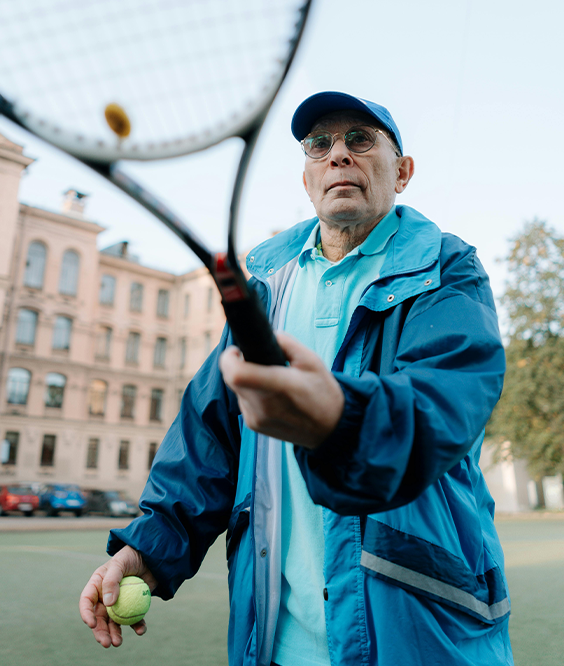
Gentle exercise for older adults 

For older adults, movement plays a vital role in maintaining independence, confidence and balance. 

Exercise doesn’t always need to be intense to be effective. Gentle, regular movement that targets lower limb strength, core stability and balance can help reduce the risk of falls and support everyday activities. 

Exercises such as sit-to-stand, heel-to-toe walking and standing hip work directly mirror the movements used in daily life. The focus is on control, confidence and consistency, not pushing limits. Feeling safe and supported is often what helps people keep moving long-term. 

Common injuries when getting back into exercise 

At the beginning of the year, we often see a similar pattern of aches and pains: tendon irritation, lower back discomfort, shoulder pain and knee issues. 

These symptoms can sometimes be associated with factors such as: 

  • Rapid increases in training load 
  • Poor movement technique 
  • Inadequate recovery 
  • Muscle imbalances around major joints 

The good news is that many of these injuries can be reduced with the right approach. Managing training load, improving movement quality and strengthening the right areas at the right time can help to make a difference. 

Early physiotherapy input can help identify potential issues before they become persistent problems, helping to keep you moving safely 

Why sleep matters more than you think 

Sleep is often overlooked when people return to exercise, but it can have a major impact on how well you move. 

Poor sleep can reduce coordination, reaction time and motor learning, all of which can increase the risk of injury. Also, it can slow down recovery by affecting tissue repair and hormone regulation. 

Good sleep can help to support strength gains, movement quality and overall energy levels. If exercise feels harder than expected or recovery seems slow, sleep is often part of the picture and shouldn’t be treated as an afterthought. 

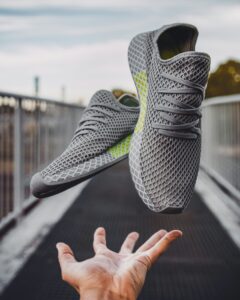
Footwear and its impact on movement 

What you wear on your feet can influence how your body absorbs force and moves through space. 

The foot functions like a bridge. The arch of the foot helps distribute load and maintain strength, just as a bridge relies on an arch to avoid collapsing under pressure. When footwear interferes with this natural structure, the body is forced to compensate elsewhere. 

Many modern shoes are stiff, heavily cushioned, and narrow at the toe box, even though the foot is naturally designed to spread at the toes. This toe splay increases the base of support, improving balance and stability while allowing the foot muscles to do their job. Restricting this movement can reduce foot strength and alter gait mechanics over time. 

Footwear with a wider toe box and more flexible sole can help restore natural foot function for some people, but changes should always be introduced gradually. As with training, the goal is to support natural movement without overloading the system. 

A supportive way to start the year 

Getting back into exercise doesn’t have to mean pushing harder or doing more than your body is ready for. Sustainable progress can come from understanding where you’re starting and building from there. 

If you’re unsure how to return to exercise, manage niggles, or simply want guidance to move with more confidence, our team is here to help. Sometimes a small adjustment is all it takes to make movement feel better again. 

If you’d like support with your return to exercise, get in touch with RehabLab to book an appointment and see how we can help you move well, stay active and build momentum for the year ahead. 

Share this: