
What is stress?
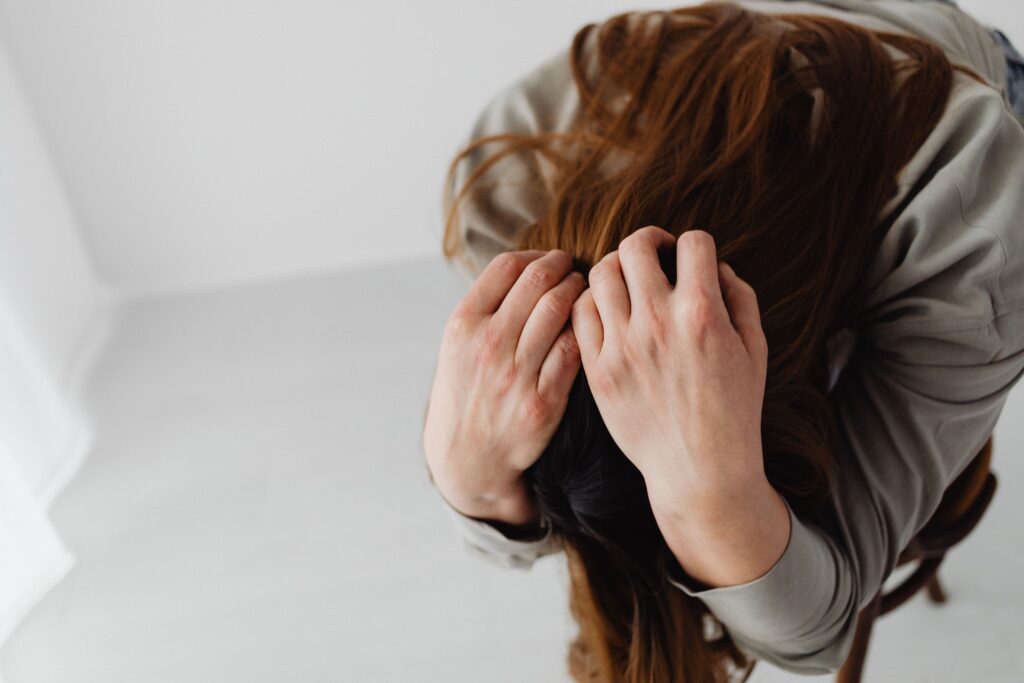
That tightness across your shoulders. The headache that appears after a difficult day. The restless nights, constant feeling of being on edge, or the ache that never quite seems to settle.
If any of this sounds familiar, you’re not alone, and you’re not imagining it.
Stress is often thought of as something that happens in the mind, but its effects can be felt throughout the body. From muscle tension and disrupted sleep to changes in pain sensitivity and recovery from injury, prolonged stress can affect how we feel, move and function day to day.
Understanding how stress affects the body is an important first step towards recognising when you might need support.
How can stress show up in the body?
Stress is the body’s response to a perceived challenge, pressure or threat. When we experience stress, the nervous system activates a series of responses designed to help us respond to the situation.
Heart rate may increase, breathing may become quicker, muscles may tense, and stress hormones help prepare the body for action.
This response is useful in the short term. However, when stress continues over weeks or months, it can begin to affect sleep, concentration, mood, muscle tension and our ability to recover from physical and emotional demands. Stress can affect several body systems, which is why symptoms are not always immediately recognized as stress-related.
Common symptoms can include:
Muscle tension : Tightness or aching around the neck, shoulders, jaw and back.
Headaches: Some people notice tension headaches during stressful periods.
Sleep disturbances: Difficulty falling asleep, waking during the night, or feeling tired despite sleeping.
Changes in breathing: Faster breathing, shallow breaths or a feeling of not being able to take a satisfying deep breath.
Digestive symptoms: Nausea, abdominal discomfort or changes in bowel habits.
Heart and circulation symptoms: A racing heartbeat or awareness of your heartbeat.
Fatigue: Feeling physically and mentally exhausted, even after relatively ordinary activities.
Increased sensitivity to pain: Existing aches and pains may feel more intense, persistent or difficult to settle.
Concentration difficulties: Feeling forgetful, distracted, overwhelmed or mentally foggy.
Stress can also affect mood and behavior. Some people become irritable or anxious, while others withdraw from social activities, lose motivation or find it harder to manage everyday tasks.
These symptoms can occur with stress, but they are not specific to it. Persistent or unexplained physical symptoms should not automatically be attributed to stress without considering other possible causes.
The Link Between Stress and Injury

One of the most important things to understand is the relationship between stress, pain and physical recovery.
An injury is not simply a matter of damaged tissue. Pain and recovery are influenced by a combination of physical, psychological and social factors.
Stress may influence how people experience pain and manage their recovery.
Increased muscle tension
When we are under pressure, we may unconsciously clench our jaw, elevate our shoulders or brace our back. If this continues, it can contribute to discomfort and make existing musculoskeletal symptoms more noticeable.
Changes in pain sensitivity
Stress can influence how the nervous system processes pain. When we are tired, anxious or overwhelmed, the same movement or activity may feel more uncomfortable than it normally would.
This does not mean the pain is imaginary. Pain is a real experience influenced by signals from the body and the way the nervous system processes those signals.
Poorer sleep and recovery
Persistent stress can interfere with sleep, and poor sleep can make pain harder to manage. It may also reduce energy, concentration and the ability to participate consistently in rehabilitation.
Changes in activity levels
Some people respond to stress by doing less, avoiding movement or withdrawing from exercise. Others push themselves harder, ignore symptoms and struggle to give themselves enough time to recover.
Both patterns can make injury management more challenging.
The stress–pain cycle
Pain can itself become a source of stress. Worrying about an injury, frustration with slow progress or fear of making things worse can increase tension and disrupt sleep. This may make pain more difficult to manage, creating a cycle that is hard to break.
Importantly, stress does not mean an injury is psychological, nor does it mean that stress caused the injury. It is one factor that may influence symptoms, coping and recovery alongside the underlying physical condition.
How Physiotherapy Can Help
A physiotherapy assessment can help identify the physical factors contributing to your symptoms, understand how they affect your daily activities, and develop a management plan that takes account of your individual needs.
Treatment may include:
- Physical assessment: Understanding your symptoms, movement, strength, function and relevant medical history.
- Education and reassurance: Explaining the relationship between stress, pain, movement and recovery.
- Graded exercise: Building activity levels and confidence gradually, according to your symptoms and capabilities.
- Movement and mobility exercises: Addressing relevant stiffness, reduced movement or muscle tension.
- Strength and conditioning: Supporting a gradual return to normal activities and physical demands.
- Relaxation and breathing strategies: Helping you practice comfortable breathing and reduce unnecessary muscle tension.
- Sleep and activity advice: Supporting routines that make physical recovery and daily functioning more manageable.
- Self-management strategies: Helping you recognize symptom patterns, pace activities and establish realistic goals.
- Presence and support: We are here to help support you through your journey and take away any of that extra stress, whether that’s through education or just talking.
Exercise is an important part of managing many musculoskeletal conditions and may also support mental wellbeing. However, treatment should be tailored to the person, rather than assuming that every symptom is caused by stress or that exercise alone will resolve it.
Physiotherapy is not a substitute for psychological or medical care when these are needed. Where appropriate, working alongside a GP, psychologist or other healthcare professional can provide a more complete approach to recovery.
What Can You Do to Manage Stress?
There is no single solution that works for everyone, but small, consistent changes can help.
Keep moving
Gentle walking, swimming, cycling or another activity you enjoy can help maintain physical function and support wellbeing. Start at a manageable level and build gradually, particularly if you are recovering from an injury.
Make space for recovery
Regular breaks, a consistent sleep routine and time away from work or other demands can help you manage ongoing pressure.
Try comfortable breathing exercises
Slow, comfortable breathing may help you settle when you feel tense or overwhelmed. Avoid forcing deep breaths; the aim is to find a rhythm that feels natural.
Notice patterns without judging yourself
You may notice that symptoms worsen during busy periods, after poor sleep or when you feel under pressure. Recognising these patterns can help you identify what support or adjustments might be useful.
When Should You Seek Help?
You do not need to wait until you reach breaking point to ask for help. A GP or mental health professional can help you explore persistent stress, anxiety, low mood or difficulties coping.
The World Health Organization’s guide, Doing What Matters in Times of Stress, also provides practical techniques for managing difficult thoughts, reconnecting with the present moment and responding to stress more effectively.
Consider speaking to your GP or another appropriate healthcare professional if:
- Stress is persistent or increasingly difficult to manage.
- You are struggling to sleep, concentrate or carry out everyday activities.
- You experience ongoing anxiety, low mood or loss of interest in things you usually enjoy.
- Physical symptoms are persistent, worsening or unexplained.
- Pain is affecting your ability to work, exercise or participate in daily life.
- The strategies you have tried are not helping.
- You are increasingly relying on alcohol or other substances to cope.
A mental health professional may be able to help you develop strategies for managing stress, anxiety or low mood. Depending on your needs, support may include talking therapies, guided self-help or other evidence-based treatments.
It is also important not to assume that physical symptoms are caused by stress
Seeking help is not a sign of weakness. It is an important step towards understanding what is happening and finding the right support.
Don’t Ignore What Your Body Is Telling You
Stress can affect far more than our mood. It can influence muscle tension, sleep, pain sensitivity, activity levels and how confidently we return to movement after an injury.
But experiencing stress does not mean that you are failing to cope, and persistent pain does not mean that your symptoms are all in your head.
The aim is not to eliminate every source of stress. It is to understand how stress may be affecting you, recognize when additional support is needed, and find practical ways to protect your physical and mental wellbeing.
At RehabLab, we understand that living with pain or an injury can be challenging. We aim to provide a supportive environment where you can discuss your concerns, understand your symptoms and work towards realistic goals with guidance from your physiotherapist.
To find out more or book an appointment, contact us on 📞310311 or book an appointment online 🌐
Written by Kate Cashin, HCPC-registered Physiotherapist 📆02/11/2026
References:
APA. (2013, January 1). How stress affects your health. Https://www.apa.org. https://www.apa.org/topics/stress/health
Cleveland Clinic. (2023, August 30). Stress. Cleveland Clinic. https://my.clevelandclinic.org/health/diseases/11874-stress
FitBoss Pro. (2026, February 21). How stress slows recovery and increases injury risk. FitBoss Pro. https://fitbosspro.com/stress-recovery-injury-2026
Ford, D. Dr. S. (2026, August 17). The brain-generated pain trap: How psychosoxic stress creates symptoms in athletes. Dynamic Spine and Performance Center. https://dynamicspineandperformance.com/the-brain-body-pain-connection-how-stress-can-affect-recovery-and-athletic-performance/
NHS. (n.d.). Stress. nhs.uk. Retrieved October 29, 2026, from https://www.nhs.uk/mental-health/feelings-symptoms-behaviours/feelings-and-symptoms/stress/
NHS . (n.d.). Stress – Every mind matters. nhs.uk. Retrieved October 29, 2026, from https://www.nhs.uk/every-mind-matters/mental-health-issues/stress/
Team, S. I. (2026, May 11). How stress affects your physical and mental health. ScienceInsights. https://scienceinsights.org/how-stress-affects-your-physical-and-mental-health/
